W211 Air Suspension: Advanced Comfort, Performance & Load Leveling Technology

Get a Free Quote

Our representative will contact you soon.
Email
Name
Company Name
Message
0/1000

w211 air suspension

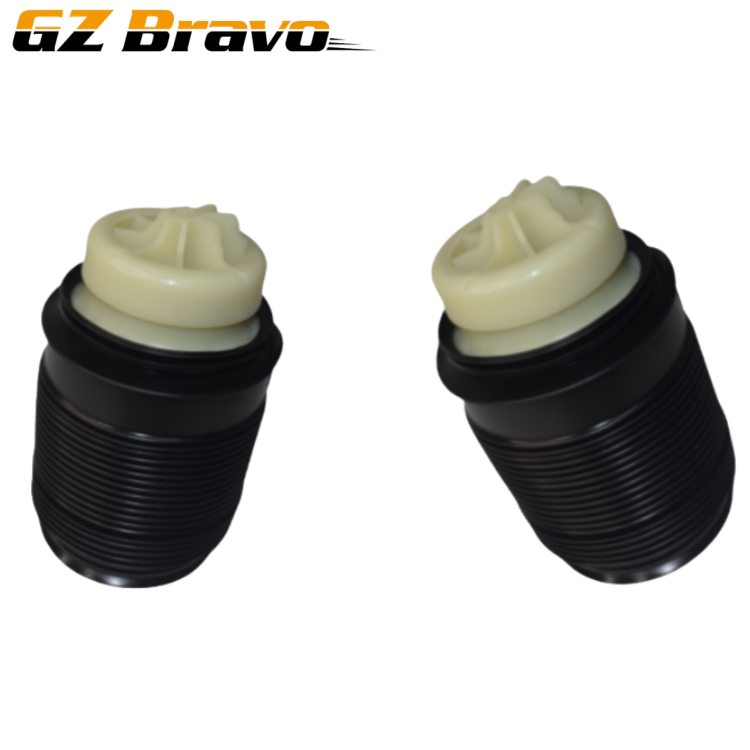
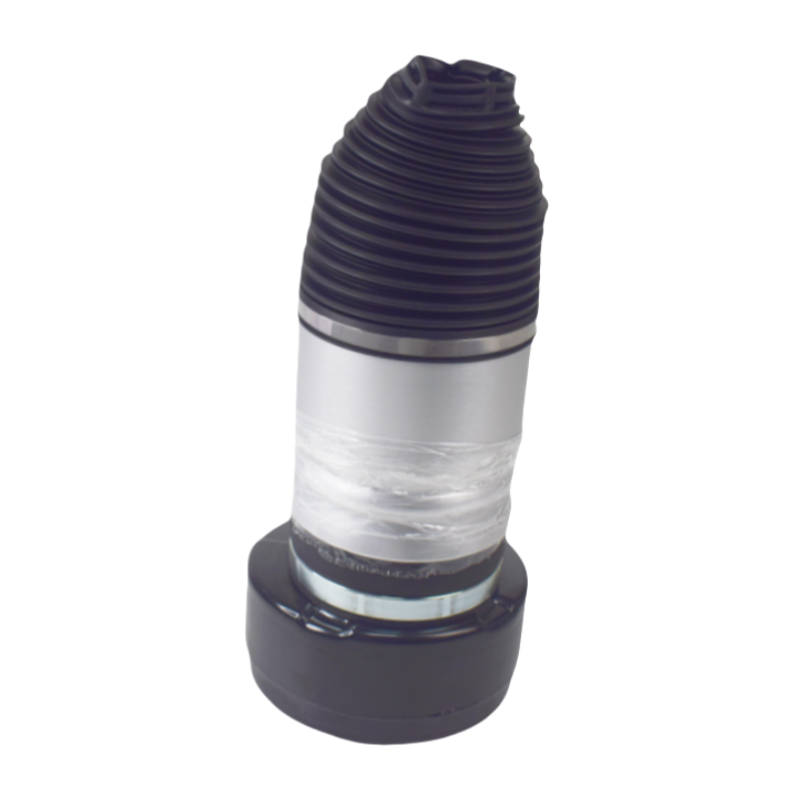
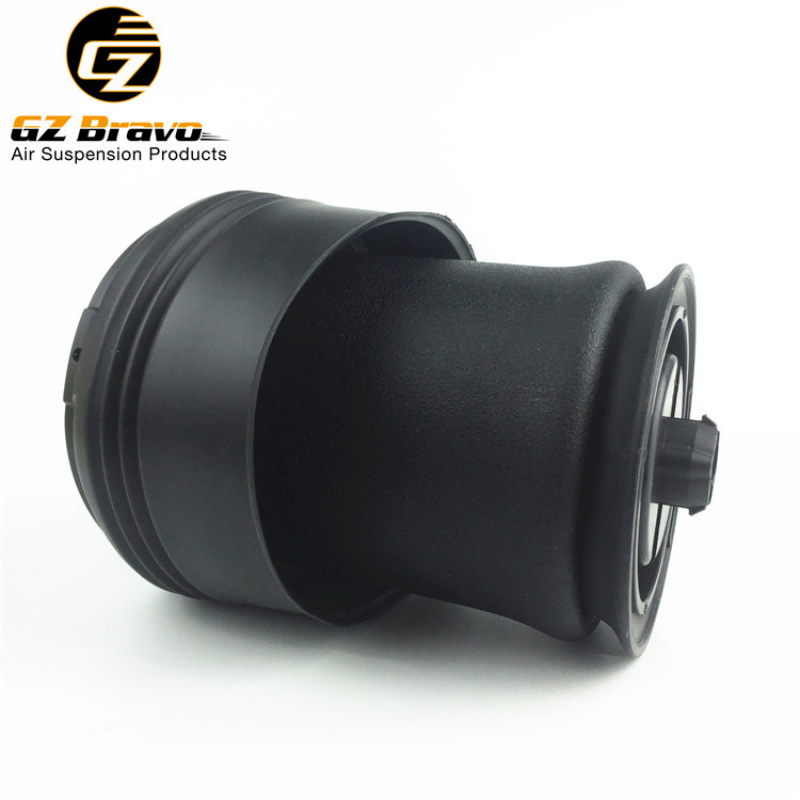
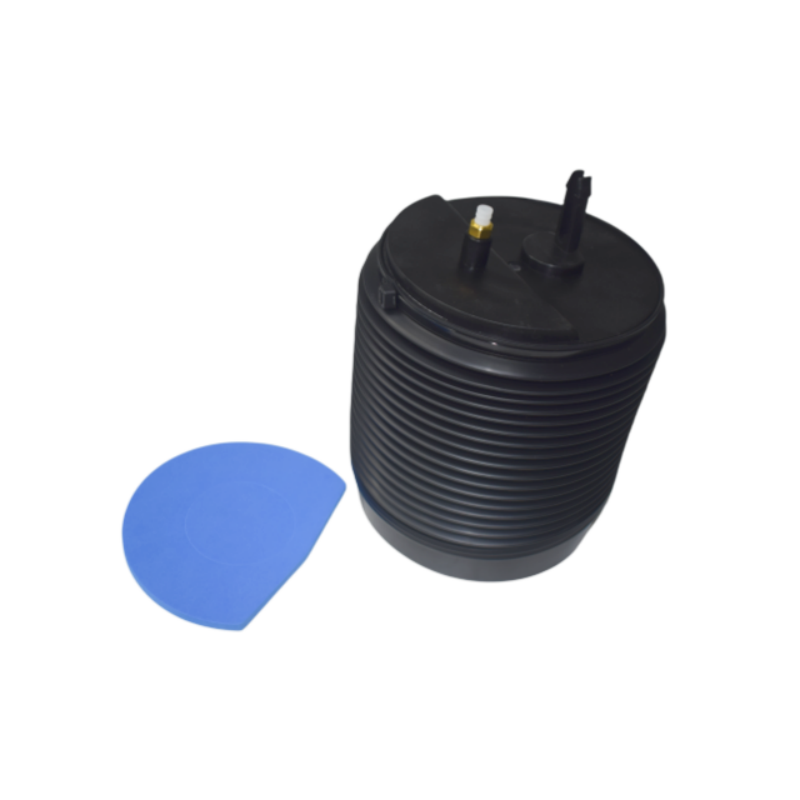
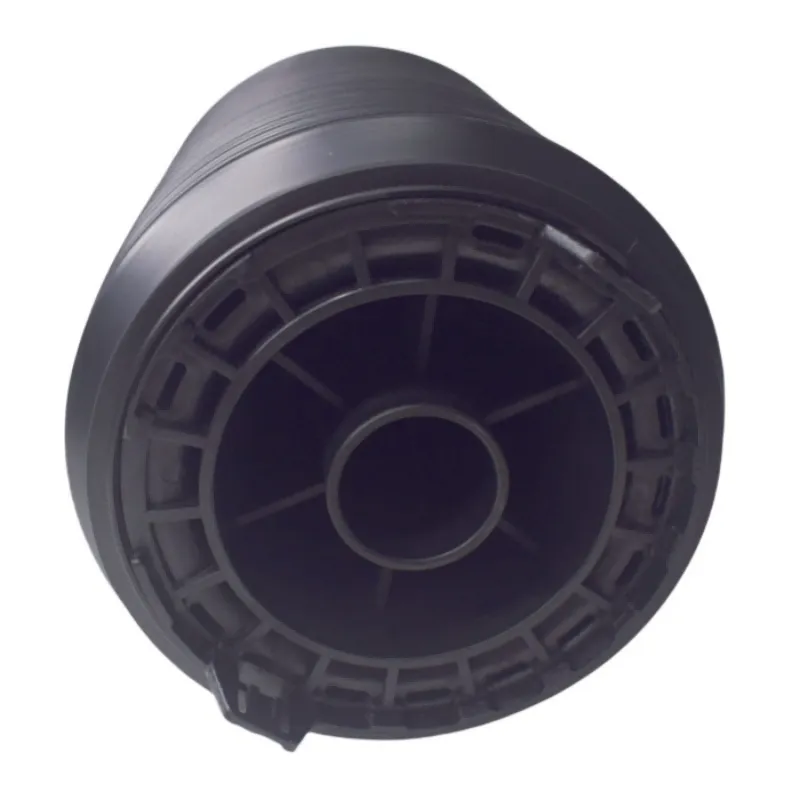
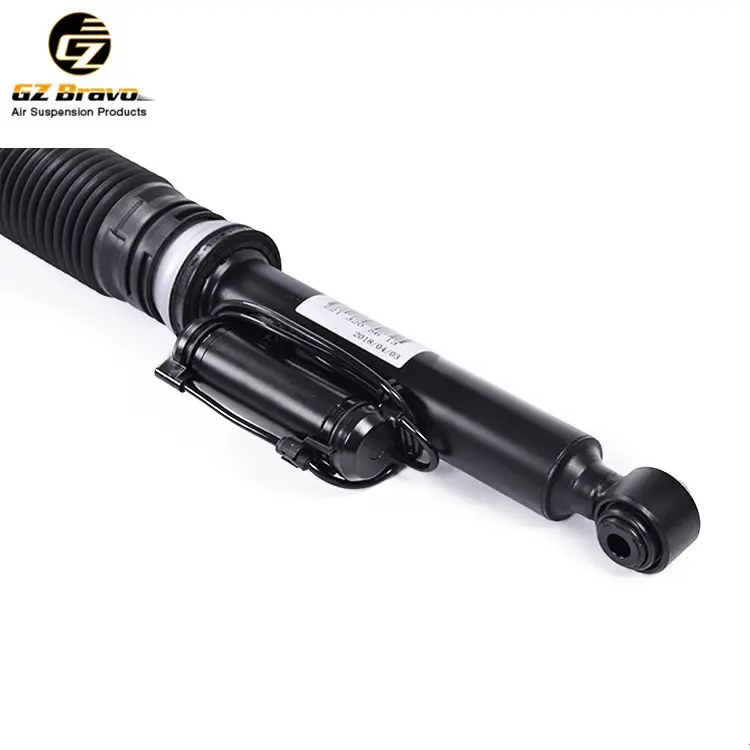
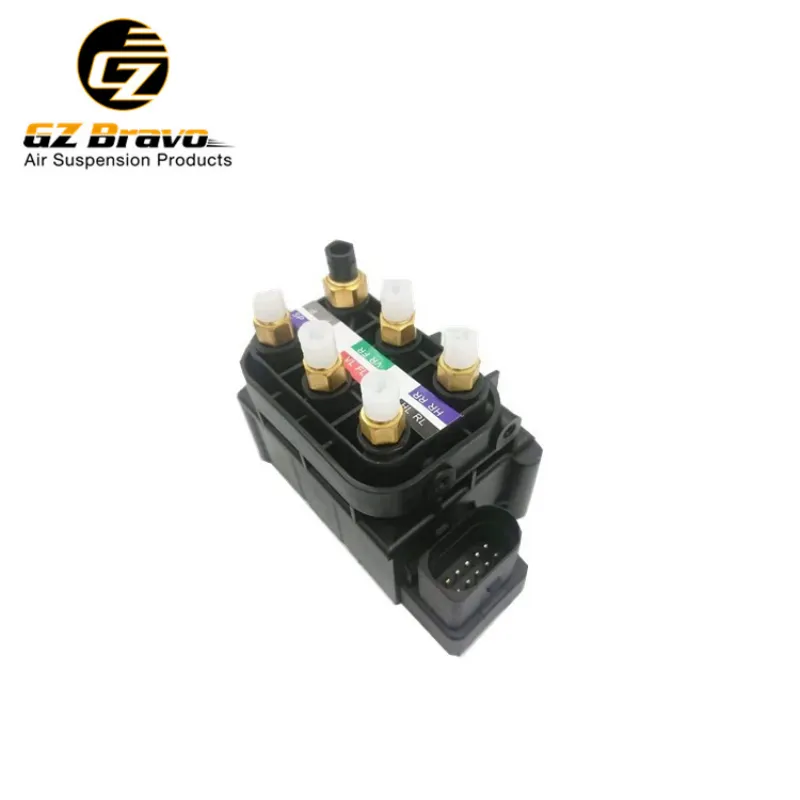
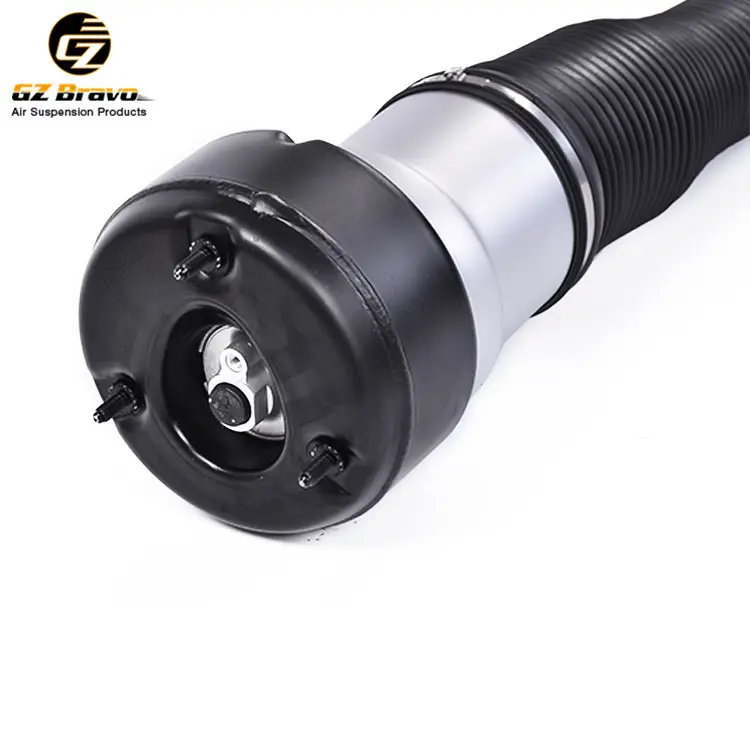
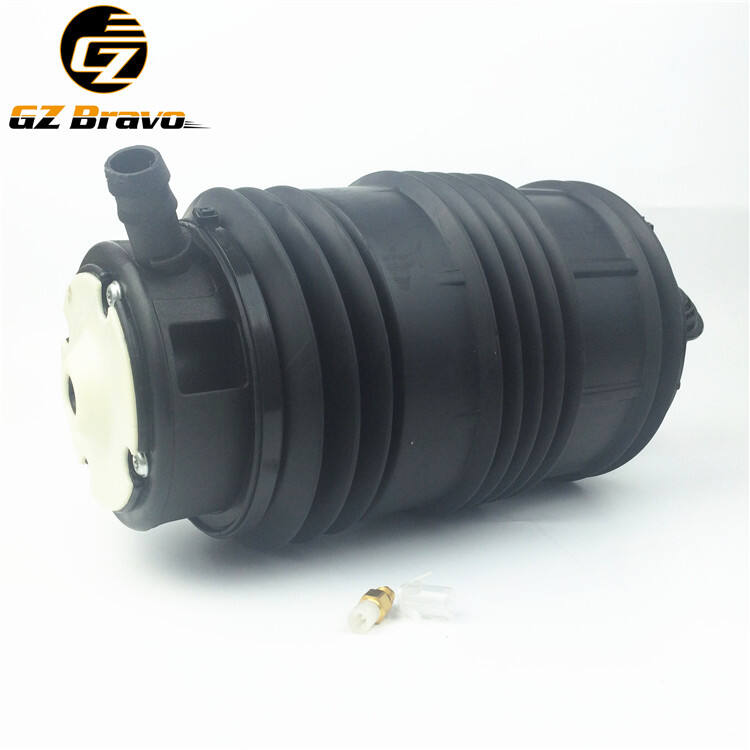
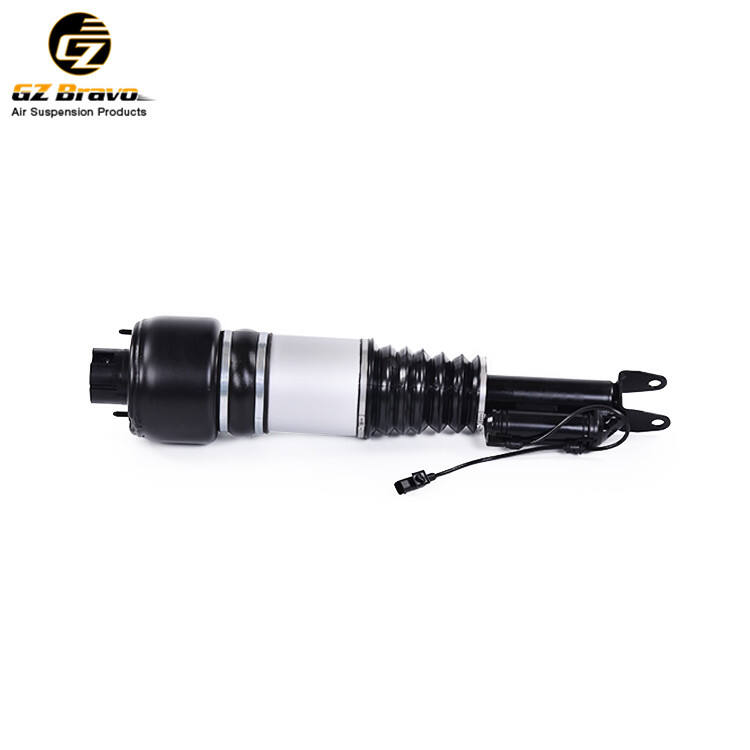
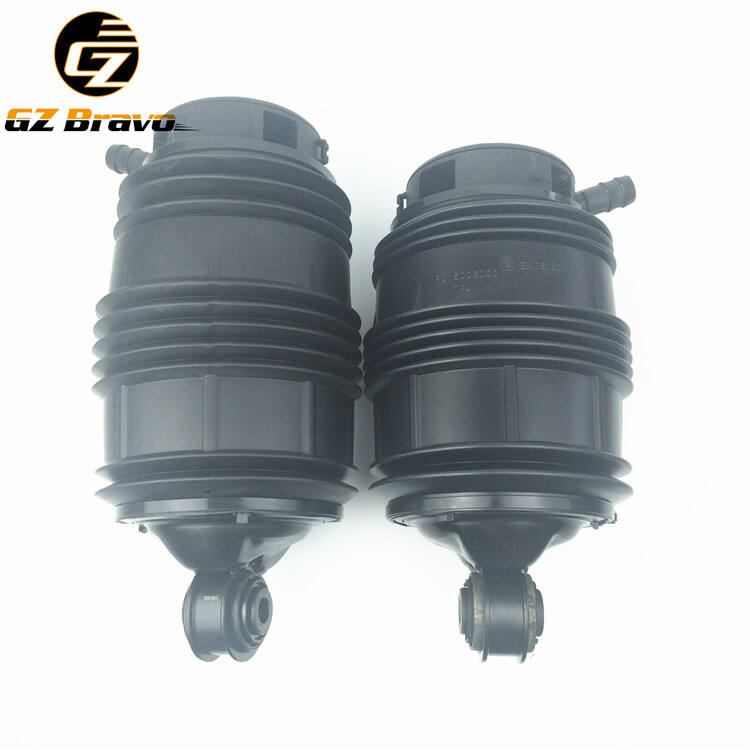
The w211 air suspension represents a sophisticated pneumatic system designed specifically for Mercedes-Benz E-Class vehicles produced between 2002 and 2009. This advanced suspension technology replaces traditional steel coil springs with air-filled rubber bladders, working in harmony with electronic controls to deliver an exceptional driving experience. The w211 air suspension system consists of several critical components including air springs at each wheel, an air compressor, electronic control module, height sensors, and a network of valves and air lines. The primary function of this system is to maintain optimal ride height regardless of load conditions while simultaneously adapting to changing road surfaces and driving dynamics. The air springs compress and extend based on electronic signals, allowing the vehicle to raise or lower itself according to speed, load, and driver preferences. At highway speeds, the w211 air suspension automatically lowers the vehicle to reduce aerodynamic drag and improve fuel efficiency. When navigating rough terrain or loading cargo, the system can raise the vehicle to provide additional clearance and maintain level positioning. The technological features include self-leveling capability, which ensures the vehicle remains balanced even when carrying heavy loads in the trunk or passengers in the rear seats. The electronic control module constantly monitors data from multiple sensors, making real-time adjustments thousands of times per second to optimize comfort and handling. This intelligent system can detect body roll during cornering and instantly adjust air pressure in individual springs to counteract lean and maintain stability. The w211 air suspension finds applications in various driving scenarios, from daily commuting where comfort is paramount to spirited driving where handling precision becomes essential. Luxury-oriented drivers appreciate how this system isolates passengers from road imperfections, creating a smooth, floating sensation reminiscent of premium vehicles. Performance enthusiasts benefit from the improved body control and reduced squat during acceleration or dive during braking, characteristics that enhance driver confidence and vehicle composure.

New Products

The w211 air suspension delivers remarkable comfort improvements that transform every journey into a first-class experience. Unlike conventional suspension systems that transmit road irregularities directly into the cabin, this pneumatic system acts as an intelligent buffer between the wheels and chassis. Small bumps, expansion joints, and rough pavement surfaces become virtually imperceptible to passengers, creating a serene environment that reduces fatigue during long drives. Parents transporting children will notice how the smooth ride helps keep young passengers comfortable and content, while professional drivers who spend hours behind the wheel will appreciate reduced back strain and physical stress. The system actively responds to changing conditions, continuously adjusting to maintain optimal comfort levels without driver intervention. Another significant advantage involves the adaptive load management capability that distinguishes the w211 air suspension from traditional systems. When you load luggage for a family vacation or transport business equipment, conventional suspensions sag noticeably, compromising handling and headlight aim. This air suspension system automatically compensates by increasing air pressure in the rear springs, maintaining proper vehicle stance and ensuring safe, predictable handling characteristics regardless of cargo weight. This self-leveling feature proves invaluable when towing trailers or carrying heavy loads, preventing the dangerous nose-up attitude that reduces steering effectiveness and forward visibility. The versatility of height adjustment provides practical benefits in everyday situations that conventional suspensions cannot match. Need to load elderly passengers or heavy items? The system can lower the vehicle for easier entry and loading. Facing a steep driveway or speed bump? Raise the vehicle to prevent scraping expensive bumpers and underbody components. This adjustability extends vehicle usability across diverse scenarios that would challenge fixed-height suspensions. Enhanced handling characteristics represent another compelling advantage, particularly when driving enthusiastically on winding roads. The w211 air suspension reduces body roll during cornering by automatically stiffening the suspension on the outside wheels, keeping the vehicle flatter and more stable through turns. This improved body control translates directly into increased driver confidence and more precise steering response. During emergency maneuvers, the system helps maintain tire contact with the road surface, maximizing available grip for safer accident avoidance. The technology also contributes to extended tire life by maintaining optimal suspension geometry and even weight distribution, preventing premature wear patterns that plague poorly maintained conventional systems. Cost savings emerge over time through reduced maintenance of related components, as the air suspension absorbs impacts that would otherwise stress chassis mounting points, exhaust systems, and interior trim pieces. The improved ride quality also means less stress on cargo, reducing the risk of damage to transported items.

Practical Tips

Why do manufacturers adopt air suspension systems for luxury vehicle platforms?

27

May

Why do manufacturers adopt air suspension systems for luxury vehicle platforms?

The decision to adopt air suspension systems in luxury vehicle platforms is not an arbitrary engineering choice. It represents a deliberate commitment to delivering a driving experience that consistently exceeds passenger expectations, meets stringen...
View More
How does air suspension enhance stability during high-speed driving operations?

27

May

How does air suspension enhance stability during high-speed driving operations?

When a vehicle travels at high speed, the margin for error shrinks dramatically. Every bump in the road, every shift in load distribution, and every gust of crosswind becomes a real threat to driver control. This is precisely where air suspension pro...
View More
Can a solenoid valve block support fast response in adaptive suspension systems?

03

Jun

Can a solenoid valve block support fast response in adaptive suspension systems?

When engineers and automotive specialists evaluate the performance ceiling of adaptive suspension systems, one component consistently emerges as a critical enabler of real-time responsiveness: the solenoid valve block. In air suspension architectures...
View More
How does an air suspension compressor improve performance in load support systems?

03

Jun

How does an air suspension compressor improve performance in load support systems?

When a vehicle carries heavy loads or navigates uneven terrain, the demands placed on its suspension system increase dramatically. An air suspension compressor sits at the heart of any pneumatic load support system, continuously managing air pressure...
View More

Get a Free Quote

Our representative will contact you soon.
Email
Name
Company Name
Message
0/1000

w211 air suspension

Superior Ride Comfort Through Intelligent Damping Technology

Superior Ride Comfort Through Intelligent Damping Technology

The w211 air suspension achieves unparalleled ride comfort through its sophisticated ability to adapt damping characteristics in real-time, responding to road conditions faster than any driver could manually adjust traditional suspension settings. This system represents a fundamental departure from passive suspension designs that offer fixed spring rates and damping curves. Instead, the air suspension employed in the w211 platform utilizes electronically controlled air springs that can alter their effective spring rate by modifying internal air pressure within milliseconds. When sensors detect smooth highway surfaces, the system reduces damping forces to create a pillowy, luxurious ride quality that isolates occupants from minor surface imperfections. Conversely, when encountering broken pavement or sudden impacts, the control module instantly increases damping to prevent harsh bottoming and maintain vehicle composure. This intelligent behavior occurs automatically without driver input, creating an effortless experience where the vehicle seemingly anticipates road conditions. The pneumatic nature of the springs provides inherent advantages over steel coils, as compressed air offers progressive resistance that becomes stiffer as compression increases, preventing the harsh impacts associated with reaching suspension travel limits. This progressive characteristic means the w211 air suspension can simultaneously deliver both supple compliance over small bumps and firm control during large suspension movements, a combination impossible with linear-rate conventional springs. Passengers seated in the rear benefit particularly from this technology, as the air suspension eliminates the choppy, unsettled ride quality that rear passengers often experience in conventionally suspended vehicles. The system maintains consistent ride height regardless of passenger count or cargo load, ensuring that a fully loaded vehicle rides with the same refinement as an empty one. This consistency proves especially valuable for families and businesses that regularly alternate between carrying light and heavy loads. The comfort advantages extend beyond vertical motion control to include lateral stability improvements that reduce the swaying sensation passengers experience during lane changes and curves. By controlling body roll more effectively than conventional systems, the w211 air suspension keeps occupants more stable in their seats, reducing motion sickness and allowing passengers to read, work on laptops, or relax more comfortably during travel. This comprehensive approach to ride quality positions the w211 air suspension as a transformative upgrade that redefines expectations for vehicle comfort across all driving conditions.
Automatic Load Leveling for Consistent Performance and Safety

Automatic Load Leveling for Consistent Performance and Safety

The automatic load leveling capability of the w211 air suspension stands as one of its most practical and safety-enhancing features, addressing a fundamental limitation of conventional spring-based suspension systems. Traditional suspensions suffer from fixed spring rates that represent compromises between unloaded ride quality and loaded carrying capacity. When you add passengers or cargo to a conventionally suspended vehicle, the rear springs compress under the additional weight, causing the vehicle to squat and disrupting optimal suspension geometry. This squat creates multiple problems including reduced steering responsiveness, impaired headlight aim that blinds oncoming drivers while leaving the road ahead poorly illuminated, and compromised aerodynamics that increase fuel consumption. The w211 air suspension eliminates these issues through continuous monitoring and automatic adjustment. Height sensors at each corner constantly measure the distance between the chassis and wheels, feeding this information to the electronic control module. When the system detects sagging from added weight, it immediately commands the air compressor to increase pressure in the affected springs, restoring proper ride height within seconds. This automatic response occurs seamlessly without driver intervention, ensuring the vehicle always maintains optimal geometry regardless of load conditions. The benefits extend well beyond aesthetics and convenience into genuine safety improvements. Proper suspension geometry is critical for predictable handling characteristics, and the w211 air suspension ensures that steering response, brake balance, and traction remain consistent whether you are driving alone or with a full complement of passengers and luggage. This consistency proves especially important during emergency maneuvers where split-second reactions determine outcomes. A heavily loaded vehicle with sagging conventional suspension responds sluggishly to steering inputs and exhibits unstable braking behavior, potentially contributing to accidents. The self-leveling w211 air suspension maintains factory-specified geometry, preserving the handling characteristics that engineers intended regardless of load. The system also benefits from adjustable ride height settings that provide additional versatility. Drivers can manually lower the vehicle for easier loading and unloading, reducing the step-in height that challenges elderly passengers and making trunk access more convenient when handling heavy items. Conversely, raising the vehicle provides extra ground clearance for navigating steep driveways, speed bumps, or unpaved surfaces without risking expensive damage to bumpers and underbody components. This adjustability transforms the vehicle from a fixed-purpose design into an adaptable platform suitable for diverse situations. The load leveling function also protects the suspension components themselves from premature wear by preventing overextension and bottoming that damage conventional springs and shock absorbers.
Enhanced Vehicle Dynamics and Handling Precision

Enhanced Vehicle Dynamics and Handling Precision

The w211 air suspension delivers substantial improvements in vehicle dynamics and handling precision that benefit both everyday driving safety and enthusiastic performance driving. At the heart of these improvements lies the system's ability to actively manage body motion in ways that passive suspension designs cannot match. During cornering, conventional suspensions allow significant body roll as centrifugal forces transfer weight to the outside wheels. This roll reduces tire contact patch effectiveness on the inside wheels while overloading the outside tires, compromising overall grip and creating an unsettled, top-heavy feeling that undermines driver confidence. The w211 air suspension addresses this fundamental limitation through active roll control, using electronic sensors to detect cornering forces and instantly adjusting air pressure distribution to resist body lean. By increasing pressure in the springs on the outside of the turn while simultaneously reducing pressure on the inside, the system keeps the vehicle flatter and more stable through corners. This improved body control translates directly into better tire contact with the road surface, maximizing available traction for safer, more confident cornering. The benefits become particularly apparent when executing emergency maneuvers such as sudden lane changes to avoid obstacles. The quick-responding air suspension helps maintain vehicle stability during these critical moments when conventional suspensions often allow excessive body motion that can lead to loss of control. Beyond cornering performance, the w211 air suspension also manages pitch control during acceleration and braking more effectively than traditional systems. When accelerating hard, conventional suspensions allow the rear to squat while the front rises, creating an inefficient weight transfer that reduces rear tire traction and diminishes acceleration potential. The air suspension resists this squat by automatically stiffening the rear springs, keeping weight more evenly distributed and maintaining better traction. Similarly, during hard braking, the system prevents excessive nose dive that would otherwise compromise steering control and extend stopping distances. This pitch control creates a more composed, confidence-inspiring driving experience where the vehicle responds predictably to driver inputs without the unsettling body motions that characterize conventionally suspended vehicles. The handling improvements extend to highway stability, where the w211 air suspension can automatically lower the vehicle at higher speeds to reduce the center of gravity and minimize aerodynamic lift. This lowered stance improves directional stability in crosswinds and reduces the floating, disconnected sensation that some luxury vehicles exhibit at highway speeds. The combination of reduced body roll, controlled pitch, and lowered ride height at speed creates handling characteristics more reminiscent of sport sedans than traditional luxury vehicles, proving that comfort and performance need not be mutually exclusive. Drivers who regularly navigate challenging road conditions including poorly maintained surfaces, construction zones, and weather-affected pavement will appreciate how the w211 air suspension maintains composure and control where conventional suspensions struggle. The system's ability to adapt to changing conditions in real-time means it can provide both the compliance needed to absorb rough surfaces and the control required for safe, predictable handling, delivering an optimal balance that fixed-rate suspensions cannot achieve.


Get a Free Quote

Our representative will contact you soon.
Email
Name
Company Name
Message
0/1000